
7 Signs Your Water Heater Is About to Fail in Middle River
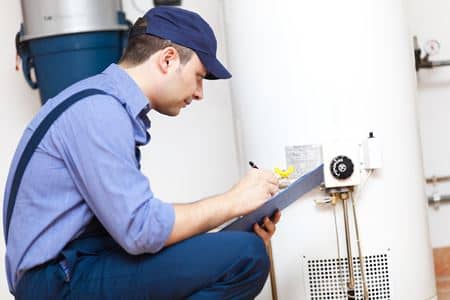
Cold showers, noisy equipment, or discolored hot water are more than a hassle. They are warning signs your system is wearing out. If you’re seeing any of the issues below, schedule water heater repair in Middle River with Chucks Plumbing LLC before a small problem becomes a big disruption.
Your Middle River Water Heater Repair Guide
Middle River homes work their water heaters hard. Winters can be chilly near the Back River and around Martin State Airport, and that means longer run times. Many houses in neighborhoods like Bowleys Quarters and Victory Villa also have older tanks tucked into basements or utility closets where small leaks or rust can go unnoticed. Understanding the early signs of trouble helps you act sooner and keep hot water dependable.
The 7 Warning Signs You Shouldn’t Ignore
1) Water Temperature Swings or Lukewarm Showers
Showers that drift from hot to cool, or never get beyond lukewarm, often point to failing thermostats, heating elements, or heavy sediment that insulates the heat source from the water. Tankless systems can show a similar symptom when sensors or flow restrictions act up. When temperature swings become routine, your heater is signaling that a breakdown may be close.
2) Rumbling, Popping, or Hissing Noises
Persistent rumbling or popping usually means sediment has hardened at the bottom of a tank. As water heats, steam bubbles fight through the mineral layer and make noise. Hissing can indicate a small leak hitting a hot surface or a failing valve. Noises that grow louder week after week are a red flag that internal parts are under stress and efficiency is dropping.
3) Rusty, Cloudy, or Smelly Hot Water
Brown, yellow, or metallic-tasting hot water points to corrosion inside the tank or exhausted anode protection. A rotten egg smell from the hot side can develop when minerals and bacteria interact with the anode. If the cold water stays clear while the hot turns discolored, the water heater is the likely source. Do not ignore persistent odors or discoloration from the hot tap, especially if they show up across multiple fixtures.
4) Moisture, Drips, or Puddles Around the Tank
Even small beads of moisture at the base, around fittings, or under the T&P valve deserve attention. Seepage rarely gets better on its own. With time, minor leaks can become a sudden rupture that sends water across the floor. Leaks from the tank itself are a safety risk and need immediate professional attention.
5) Low or Inconsistent Hot Water Pressure
If hot water pressure is noticeably weaker than cold across multiple fixtures, scale or sediment may be clogging lines, valves, or the heater’s internal passages. In older homes around Middle River, mineral buildup can collect faster, especially if maintenance has been inconsistent. Pressure problems paired with temperature swings are often a sign of a tank nearing the end.
6) Age: 8–12 Years Is the Typical Range
Most tank-style heaters last about a decade, depending on water quality and usage. Past the 8–12 year window, the odds of leaks, noisy operation, or frequent shutdowns rise. If the unit’s age is into double digits and other warning signs are present, plan for replacement so you can choose timing that works for your family.
7) Spiking Energy Bills or More Frequent Resets
A heater coated in sediment or running with tired elements must work longer to deliver the same hot water. That shows up as higher utility bills. Frequent breaker trips or reset-button presses are another clue your system is struggling. If bills climb without a change in routines, the water heater may be the culprit.
Local insight: During deep cold snaps in Baltimore County, heaters run longer and cycle more often. That extra workload can expose weak heating elements and bring long-standing sediment issues to the surface. Scheduling service before the next cold stretch helps you avoid a no‑hot‑water surprise.
Quick Glance: Early Clues You’ll Notice First
- Hot water that fades to warm halfway through a shower
- Rumbling or popping sounds after the burner or elements kick on
- Rust tint or a sulfur smell from the hot side only
- Moisture at the base or dried white mineral trails on the tank
- Hot water pressure that feels weaker than cold at several taps
If two or more of these show up within a short period, it is time to have the system inspected. Acting early protects floors, finishes, and your daily routine.
Repair vs. Replacement: How to Decide
Some problems are great candidates for repair, especially on younger units with otherwise solid performance. Others point to a system that’s ready to retire. For a deeper dive into how pros weigh the decision, skim our plain‑English repair or replacement guide. It explains how age, condition, and reliability come together so you can make a confident call.
When leaks come from the tank body or corrosion is widespread, replacement is usually the safe path. If that’s your situation, our crew can review sizes and fuel types and handle everything from removal to hauling away the old unit. Learn what a seamless swap looks like by reading about water heater replacement.
Why Calling a Licensed Plumber Matters
Water heaters tie into gas, electricity, and pressurized water. That mix demands training and proper tools. A licensed local tech knows how to diagnose the root cause and restore safe, reliable performance. Professional service protects your home, preserves efficiency, and reduces the risk of repeat breakdowns. If you are experiencing any of the seven signs above, request help from our local water heater repair pros today.
Middle River Context: What Makes Failures More Likely
Local conditions matter. Many Middle River homes have basements or utility spaces that run cooler in winter. Cool spaces around the tank can increase condensation on metal surfaces and make small rust areas grow faster. Seasonal hard-water conditions also leave more mineral scale behind. That scale traps heat, raises operating temperature, and can accelerate wear on thermostats and heating elements.
Older homes near Essex and Nottingham sometimes carry original hot‑water piping along with a newer tank. If rusty hot water appears at several fixtures and the unit is relatively young, the pipes could be part of the story. Either way, a thorough inspection will reveal whether the heater, the piping, or both are contributing.
How Fast Action Saves You Time
- Fewer surprises: catching issues early helps you choose timing, not the breakdown
- Better comfort: steady temperature and pressure return more quickly
- Lower risk: early fixes reduce chances of water damage
Waiting rarely makes problems cheaper. Schedule a professional inspection at the first clear warning sign and keep your home running smoothly.
What To Expect When You Call
First, we listen to what you’re experiencing. Then we perform targeted tests, check the heater’s age and condition, and confirm the source of noises, odors, or leaks. You’ll get straightforward options and plain talk about the pros and cons of each. If the unit is still a strong repair candidate, we move fast to restore performance. If replacement is smarter, we’ll help you compare sizes and recovery rates so your new system fits your family’s routines.
Need Emergency Hot Water Service?
Hot water outages can’t wait. When your shower goes cold right before work or your tank starts leaking on a Saturday, you need a fast‑moving crew that knows Middle River homes. For immediate help, call 410-937-2558. You can also find us by searching for Middle River water heater repair and tapping Chucks Plumbing LLC.
Ready To Act Before It Fails?
If these warning signs sound familiar, don’t wait for a cold morning to prove the point. Book service with Chucks Plumbing LLC for prompt diagnostics and reliable fixes. Start by scheduling water heater repair in Middle River, or talk with our team about planning a proactive upgrade if your unit is aging. Either way, you’ll get clear answers and dependable work from local pros who put your comfort first.
Questions right now? Call 410-937-2558 and we’ll help you decide the best next step for your home.