
Gas Line Installation in Middle River MD: Upgrading Pipes for High-BTU Appliances
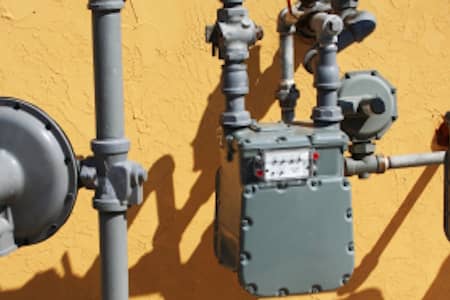
Adding a tankless water heater or a professional-style range can overwhelm older gas piping in Middle River homes. The result is pressure drop, burner flutter, and equipment that never reaches its rated output. This guide explains how Chucks Plumbing LLC approaches safe gas line upgrades, why CSST must be bonded, and how a diaphragm gauge pressure test verifies a tight system. For readers comparing contractors, you can also review Gas Line Installation Middle River MD options on our home page to get familiar with what matters most.
Why High-BTU Appliances Overwhelm Older Gas Lines
Most legacy homes in neighborhoods like Bowleys Quarters, Victory Villa, and along Wilson Point were piped decades ago for modest loads. A modern tankless heater and a multi-burner range can double or even triple the connected demand. If the main trunk or the branch to that appliance is undersized, the line loses pressure as gas moves through long runs and fittings. That drop starves the appliance under heavy use.
Undersized piping starves high-BTU appliances. Even when everything “looks” connected correctly, performance will suffer whenever multiple fixtures call for gas at once, like winter mornings when the furnace and tankless fire together.
How To Spot Pressure Drop Before It Becomes A Problem
Homeowners often notice flow and flame symptoms long before a leak alarm ever sounds. If you are near Martin State Airport or closer to Essex and Perry Hall, seasonal peaks can make these clues more obvious.
- Burners that light but fade or chatter when other appliances start
- Long hot-water delays with a tankless unit during laundry or dishwashing
- Furnace short-cycling or fault codes under heavy load
- Noticeable drop in oven or grill performance on windy, cold days
If you see these patterns, ask a licensed plumber to confirm your system sizing and routing. An on-site evaluation is the only way to know whether the gas meter, regulator, trunk, and branches can carry the load you plan to add.
Rigid Black Iron vs. CSST: What Works Where
Two common materials serve residential gas piping in Middle River: traditional rigid black iron pipe and flexible Corrugated Stainless Steel Tubing, often called CSST. Both meet code when installed by a licensed pro, but each suits different conditions.
Black Iron Pipe
Black iron is rugged and proven. It handles abuse in mechanical rooms, takes threaded fittings, and offers excellent capacity for long straight runs. The tradeoff is labor and fittings. Every change of direction adds equivalent length that increases pressure drop. It can also be slower to retrofit in finished spaces where opening walls or ceilings would be disruptive.
CSST (Corrugated Stainless Steel Tubing)
CSST speeds retrofit work because it bends around framing with fewer joints, which reduces potential leak points. It must be secured at the correct intervals and protected where it passes through studs or near fasteners. The most important detail is electrical bonding. CSST must be bonded to the home’s grounding system according to the manufacturer’s instructions and local code. The bonding clamp is attached to a designated fitting or a rigid metallic segment of the gas system, never to the corrugated jacket itself. Proper bonding helps reduce voltage differences from events like nearby lightning, which can otherwise damage CSST.
The Right Way We Size And Upgrade Gas Lines
At Chucks Plumbing LLC, our approach blends field experience with manufacturer tables and fuel gas standards so your high-BTU gear runs the way it should.
- We list every gas appliance and confirm its input rating. That totals your connected demand.
- We map the route from meter to appliance, including each tee and elbow. Fittings add “equivalent length,” which affects pressure drop.
- We verify meter and regulator capacity. If the utility must upsize equipment, we coordinate the timing during your project.
- We select pipe size and material to keep pressure drop within accepted limits for your layout. Long runs or clustered loads may require a larger trunk and dedicated branches.
- We plan for expansion. Many kitchen remodels later add an outdoor grill, garage heater, or gas dryer. Designing headroom today avoids rework tomorrow.
Upgrading to an on-demand unit? A correct line and meter plan is essential for consistent hot water. Explore our tankless water heater installation and repair service to see how the piping, venting, and controls all come together.
Local tip: Thunderstorms roll through Middle River often in late summer. If your home uses CSST, ask for a quick bonding check during your next plumbing visit. It is a small step that protects both the tubing and your new high-BTU appliances.
Formal Gas Pressure Testing With A Diaphragm Gauge
The best way to confirm a tight system is a controlled pressure test. Here is how a licensed plumber performs a formal test with a low-range diaphragm gauge, often called a manometer-style gauge. We use air or inert gas only. Never pressure test with oxygen.
- Isolate the gas piping. We shut valves to appliances and the meter or tank, then install a test tee with a Schrader or fitting for our test hose.
- Attach the diaphragm gauge. A low-range gauge clearly shows tiny changes. We verify zero and note ambient temperature to account for minor drift.
- Pressurize to the appropriate test level for the scope and jurisdiction using clean, dry air or inert gas. We stabilize the system so temperature and readings settle.
- Record the initial reading and hold for the required interval. Any movement is monitored against acceptable tolerances.
- If the gauge shows a drop, we apply an approved leak-detection solution on joints and transitions. Micro-bubbles pinpoint tiny leaks that soap and water can miss.
- Segment the system if needed. By closing intermediate shutoffs, we test sections to isolate the problem zone and re-check with the diaphragm gauge.
- Repair and re-test. We remake joints, replace suspect connectors, or re-route problem sections. We then repeat the full hold test until the line is stable.
- Document results. We record readings, timing, and corrections, and provide paperwork for your records or inspections when required.
This procedure finds micro-leaks that electronic sniffers can miss under light flow. It also verifies the integrity of newly added branches before appliances are brought online.
CSST Bonding: Small Detail, Big Protection
Bonding is not optional with CSST. Proper bonding reduces the chance of arc damage by routing electrical energy safely to the building’s grounding system. During an upgrade, we confirm:
1) A dedicated bonding conductor is connected where specified by the CSST manufacturer. 2) The connection point is accessible for inspection and service. 3) The jumper is continuous to the structure’s grounding electrode system. 4) Any added rigid transitions are also bonded as required. These checks are part of a professional installation and protect your investment.
Planning Your Remodel In Middle River
Kitchen remodel in Aero Acres? Basement conversion near Cowenton Avenue? Call us before the cabinets or drywall go in. Early planning lets us resize trunks, add dedicated runs for a pro range, or set a clean path for a future tankless upgrade. In cold snaps off the Back River, simultaneous loads are common. Designing for those peaks prevents nuisance shutdowns and lukewarm water.
When we handle your project, we also manage coordination that homeowners often overlook. That includes verifying utility access for meter work, planning safe appliance shutoffs, and scheduling the final test so your inspection or utility reconnection stays on track. Call a licensed plumber at the first sign of a gas odor and let a pro handle the diagnostics and fixes.
Why Middle River Homeowners Choose Chucks Plumbing LLC
We are local, licensed, and focused on outcomes that last. Our teams show up with the sizing charts, specialty tools, and fittings to solve pressure drop the first time. From black iron mains to CSST branches, we build systems that are easy to service and ready for future appliances. When you want safe, code-compliant gas line installation and repair, we are ready to help.
Ready To Upgrade Your Gas Line?
If you plan a tankless heater, pro range, or shop heater, start with a sizing visit from Chucks Plumbing LLC. We will map your loads, recommend the right material, and verify the system with a diaphragm-gauge hold test. To schedule, call 410-937-2558 or learn more about our process on our gas line services page.
Prefer to read more first? Our service menu shows related upgrades like water heaters and remodeling support. When you are ready, we will build a gas system that powers today’s high-BTU appliances without pressure drop.