
How Essex MD Homeowners Can Prevent Main Line Backups During Heavy Tidal Rains | Sewer Line Cleaning Essex, MD
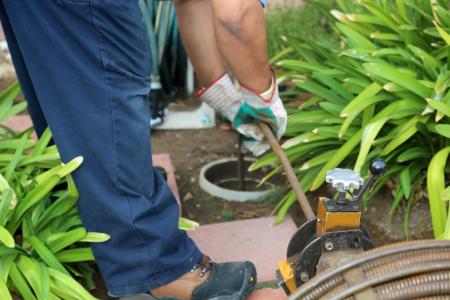
When tidal rains push water levels up along Back River and Middle River, main sewer lines in older Essex homes face intense pressure. That is when clogs turn into overflows. The most reliable way to stay ahead of trouble is scheduled sewer cleaning paired with proactive inspections and safeguards that match our local conditions.
Essex neighborhoods built with clay laterals are especially vulnerable. During coastal surges the groundwater rises and squeezes those joints, which invites fine silt and roots. With a plan that includes video inspections, targeted root removal, and a well‑maintained backwater valve, you can reduce the risk of a main line backup even in a soaked yard.
Why Tidal Flooding Raises Backup Risk In Essex, MD
Homes near Back River, Middle River, and the creeks that feed them sit over a high water table. After a long rain or a strong easterly push on the Bay, saturated soils add hydraulic pressure around buried pipes. Older vitrified clay laterals shift slightly at the joints, forming tiny lips and gaps. Those small defects slow flow and catch debris.
As the tide cycles, that outside pressure can also force groundwater toward your pipe. If there is a low spot or “belly,” wastewater has to fight through a standing pool. Add a bit of grease or tissue and the line can stall. That is why backups often show up a day or two after the worst of the weather passes.
Older clay laterals are vulnerable at every joint. In Essex blocks built before modern PVC standards, tree roots hunt for moisture and thread into those joints. During a storm, the fine roots mat down like a filter and trap solids that would normally wash through.
How Plumbers Spot Problems Before A Storm
Preventing a messy backup starts with a thorough main line evaluation. Here is how pros check a home in flood‑prone parts of Essex:
- Video camera inspection from the main cleanout to the city tap to look for root intrusion, cracked hubs, offsets, and pipe bellies.
- Flow testing while watching the live camera feed to see how quickly water clears past each joint and whether a sag holds water.
- Electronic locating above ground to mark problem spots in the yard so future service is faster and less disruptive.
- Targeted root cutting with a precision blade or chain flail where camera shows growth, followed by verification passes.
- Documentation with time‑stamped images so you can compare changes season to season and catch early movement.
Experienced techs in our area also pay close attention to laterals that run near tidal ditches or storm outfalls. They look for sand infiltration that hints at joint gaps. If your line ties in near Back River, a tech may recommend earlier cleaning intervals. That is the kind of detail that separates quick fixes from lasting solutions.
Backwater Valves: Your One‑Way Defense
When the public main is overwhelmed, wastewater can reverse toward your home. A properly sized backwater valve lets household flow out but blocks surges from coming in. Installed on the building drain downstream of fixtures, it is a critical protection for basements and ground‑level bathrooms in Essex.
There are different valve body styles and flap designs. Your plumber will choose a model that matches pipe size, depth, and access needs. What matters most is that the valve is accessible and serviced on a routine schedule. A backwater valve only helps if the line is clear and the valve is maintained.
In flood‑prone areas near Middle River, many homeowners pair a backwater valve with periodic root control and cleaning. That way the flap can close fully when the tide or a main surcharge presses back.
Preventive Hydro-Jetting Keeps Lines Clear
For clay laterals with recurring roots or silt, hydro‑jetting is the most complete cleaning method. A jetter uses high‑pressure water through a specialized nozzle to sweep the pipe, scrub joints, and flush debris all the way to the main. It reaches places cutting heads can miss and leaves fewer snags for paper to catch.
Your technician will select pressure and nozzle types based on pipe material and condition. In Essex soils, a balanced pass can remove root hairs without scouring away fragile edges of older clay. After jetting, a follow‑up camera pass confirms smooth flow.
Scheduling hydro‑jetting ahead of hurricane season or before forecasted nor’easters reduces emergency calls. Homeowners along Back River who plan for proactive service often avoid late‑night flooding drama and the stress of a coastal plumbing emergency in Essex.
Know Your Home’s Risk Around Back River And Middle River
Every property is different. Homes on low‑lying streets near creeks and marsh edges experience stronger groundwater swings than homes on higher ridges. Long, flat laterals are more likely to develop bellies. Lots with mature trees may see root pressure rise in dry spells, then matting during storms.
If a past report mentioned an offset joint or shallow sag, treat it like a weather warning. Those spots are first to fail under tidal pressure. Ask your plumber to map them and recommend a cleaning cadence so sludge does not reclaim the low areas between storms. Builders that used clay sections decades ago often left subtle alignment changes that only show up on video and in wet months.
Local tip: During new and full moon cycles, tides can run higher along Back River and Middle River. Plan camera inspections and jetting a few weeks before these periods to give your line the best chance to stay clear when water tables peak.
Early Warning Signs Essex Homeowners Should Never Ignore
Backups rarely happen without a hint. If any of these show up during a wet stretch, call a pro right away:
- Gurgling at the lowest shower or floor drain while the washer runs during heavy rain.
- Toilets that need two flushes or burp when other fixtures drain.
- Multiple slow fixtures on the lowest level at the same time.
- Wastewater odors in the basement after a strong east wind off the Bay.
Do not ignore slow drains during a nor’easter watch. In many Essex homes, that is the last warning before a main line rollback.
What A Thorough Main Line Service Looks Like
A complete maintenance visit in our tidal zone is not just a quick pass with a cable. Here is a typical sequence great for homes near the water and in older Essex neighborhoods:
First, the tech confirms access through your main cleanout and checks how fast fixtures clear while watching a live camera feed. If roots are present, they start with cutting or jetting tailored to the pipe, then flush and scope again. If the camera shows a pool that does not drain, they measure the distance, mark the yard, and document it for future monitoring.
Next comes preventive planning. The tech will recommend the right interval based on what they saw, your tree cover, and your proximity to Back River or Middle River. Homeowners close to tidal edges often benefit from shorter cleaning cycles. In some cases, they will suggest a backwater valve or improved access so future service is faster and less disruptive.
Finally, they review the findings with you and provide images. That record matters, because small changes over 6 to 12 months can tell you if a joint is shifting or a belly is spreading. Catching those trends early is how you prevent sewer backup in Essex rather than react to one.
Planning Around Storm Seasons In Essex, MD
Weather along the Chesapeake shifts fast. Heavy spring rains, tropical remnants in late summer, and fall nor’easters test every older lateral. Building a simple plan with Chucks Plumbing LLC keeps you ready when the forecast turns gray:
Schedule inspections before the rainy season. In early spring and again before peak fall tides, have a camera run from cleanout to tap. Pair that with hydro‑jetting if roots or silt are present so the line is at full capacity when you need it most.
If your home sits near a tidal ditch or along streets draining to Back River, ask your technician about cleaning intervals tailored for Back River main drain clearing. That phrase might sound old‑school, but the idea is simple. Keep the main path clear so surges cannot find a snag point during peak flows.
When To Call Chucks Plumbing LLC For Help
You do not need to wait for a backup to act. If you have a clay lateral, big trees, or a past report with offsets or roots, it is time to build your prevention plan. Start with a video inspection and cleaning so the baseline is solid. If you are unsure where to begin, browse our plumbing services to see how maintenance fits with other solutions.
For residents comparing providers, look for a team that understands Essex soils, tidal cycles, and older infrastructure. Clear communication, images you can keep, and a plan for valve service and jetting are must‑haves. To learn more about sewer line cleaning in Essex, MD and set up a visit with Chucks Plumbing LLC, call 410-937-2558 today.
Protect Your Essex, MD Main Line Before The Next Storm
Heavy tidal rains are part of life here. Main line backups do not have to be. If your home backs up to Back River or sits in a low‑lying pocket near Middle River, take the next step now. Schedule professional service and keep your line flowing with seasonal maintenance that fits our waterfront climate. Start with a preventive inspection and main line sewer cleaning from Chucks Plumbing LLC so your home is ready for the next surge. Call 410-937-2558 to get on the calendar.